Feeling a sharp, stinging sensation in your teeth when you sip hot coffee or bite into an ice cream cone can put a damper on your day. This common dental issue—sensitivity to hot and cold—can make enjoying your favorite foods and beverages a painful experience. But why does this happen, and more importantly, what can you do about it?
If tooth sensitivity is affecting your quality of life, you’re not alone. Millions of people experience similar discomfort. The good news? There are ways to manage and even prevent it. At Bellflower Dental Group, we’re here to help you get to the root of the issue—literally.
What Causes Tooth Sensitivity to Hot and Cold?
Tooth sensitivity, especially to extreme temperatures, often boils down to one key culprit: exposed dentin. Dentin is the layer beneath your tooth’s enamel and cementum. Unlike enamel, which serves as a robust shield for your teeth, dentin is porous and filled with tiny tubules that lead directly to the tooth’s nerve center. When the enamel protecting the dentin is worn down, or the gums recede, these tubules are left exposed. This allows hot, cold, and even sweet or acidic substances to irritate the nerve, resulting in that familiar sharp, stinging sensation.
But why does dentin become exposed? Let’s explore some common causes of sensitivity:
Tooth Decay or Cavities:
Cavities don’t just harm the visible parts of your teeth—they also create tiny entry points that allow extreme temperatures to reach the sensitive nerve endings inside. Even a small cavity can cause significant discomfort when exposed to hot or cold substances.
Worn Enamel:
Enamel, the outermost layer of your teeth, is designed to protect against everyday wear and tear. However, enamel can erode over time due to a variety of factors:
- Acidic Foods and Drinks: Citrus fruits, soda, and vinegar-based foods can gradually weaken enamel.
- Overbrushing: Brushing too hard or using a toothbrush with stiff bristles can wear down enamel, especially near the gumline.
- Teeth Grinding: Habitual grinding or clenching (bruxism) can chip away at enamel, exposing the dentin beneath.
- Once enamel is gone, it doesn’t regenerate, making prevention key.
Receding Gums:
Gum recession is another leading cause of tooth sensitivity. This condition often occurs with age, gum disease, or poor oral hygiene. When gums pull away from the teeth, they expose the tooth roots, which are not covered by enamel. These roots are particularly vulnerable to external stimuli, leading to heightened sensitivity.
Cracked or Chipped Teeth:
A cracked or chipped tooth is more than a cosmetic issue. Even a hairline fracture can expose the dentin or even the pulp (the tooth’s innermost layer), causing sharp pain when consuming hot or cold foods. Left untreated, cracks can worsen, leading to infections or the need for more invasive treatments like root canals.
Dental Procedures:
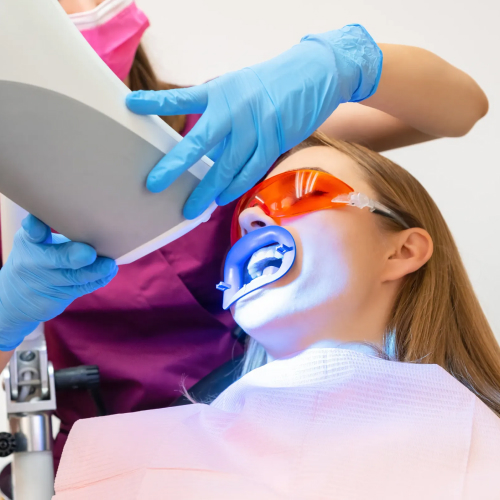
It’s not uncommon to experience temporary sensitivity after dental treatments such as fillings, crowns, or teeth whitening. These procedures can irritate the nerves within your teeth or make them temporarily more reactive to extreme temperatures. The good news? This type of sensitivity often subsides as your teeth adjust and heal.
Other Contributing Factors:
In some cases, tooth sensitivity can also be linked to conditions such as:
- Plaque Buildup: Excess plaque near the gumline can erode enamel and irritate gums, leading to sensitivity.
- Medical Conditions: Acid reflux or eating disorders that cause frequent vomiting can expose teeth to stomach acids, contributing to enamel loss.
- Improper Use of Whitening Products: Overusing or improperly applying whitening strips or gels can weaken enamel and trigger sensitivity.
If you’re not sure what’s causing your tooth sensitivity, a professional dental cleaning and exam can help pinpoint the issue.
Can Tooth Sensitivity Be Prevented?
Yes! Preventing tooth sensitivity often begins with good oral hygiene and a little extra care. Here are some actionable tips to keep your teeth healthy and pain-free:
- Use a Soft-Bristled Toothbrush: Hard bristles can wear down enamel and aggravate your gums. A soft-bristled toothbrush is gentle yet effective.
- Switch to Toothpaste for Sensitive Teeth: Many over-the-counter toothpastes are specifically designed to block sensitivity by sealing exposed tubules in your teeth.
- Limit Acidic Foods and Beverages: Citrus fruits, soda, and vinegar-based foods can erode enamel. Moderation is key, and rinsing your mouth with water afterward can help.
- Don’t Skip Regular Dental Visits: Professional cleanings and exams are crucial for identifying early signs of gum recession, enamel wear, or other issues that could lead to sensitivity.
- Wear a Mouthguard If You Grind Your Teeth: Teeth grinding (bruxism) can wear down enamel over time. A custom mouthguard can protect your teeth while you sleep.
When Should I See a Dentist About Sensitive Teeth?
Occasional tooth sensitivity may not seem like a big deal, but persistent discomfort could signal a more serious issue. Here’s when you should schedule an appointment with a dentist:
- If the Sensitivity is Sudden or Severe
- Sudden pain may indicate a cracked tooth or a deep cavity that requires immediate attention.
- If Over-the-Counter Remedies Don’t Work
- If you’ve been using toothpaste for sensitive teeth with no improvement, it’s time for a professional evaluation.
- If Sensitivity is Accompanied by Other Symptoms
- Swelling, redness, or pain when biting down could point to gum disease or an abscess, both of which require treatment.
At Bellflower Dental Group, we specialize in diagnosing and treating tooth sensitivity. From simple lifestyle adjustments to more advanced solutions like fluoride treatments or root canals, we’ll help restore your smile and your confidence.
Root Canals: A Solution for Severe Sensitivity
In some cases, extreme tooth sensitivity is caused by damage or infection deep inside the tooth. This is where a root canal can help. Despite its scary reputation, a root canal is a routine procedure that removes damaged or infected tissue from inside the tooth, relieving pain and preventing further issues.
Take the First Step Toward Pain-Free Smiles
You don’t have to live with the discomfort of tooth sensitivity. Whether you need a cleaning, an exam, or advanced treatment like a root canal, the team at Bellflower Dental Group is here to help. Let us guide you back to enjoying the foods and drinks you love—pain-free.
Schedule your appointment today and take the first step toward a healthier, happier smile.