What are your options for managing and treating your recurring teeth sensitivity?
If you have trouble eating hot, cold, or sweet foods because of constant tooth sensitivity, you might need to see your dentist. Some people may be born with naturally sensitive teeth, but this is far from the rule. In most cases, frequent sensitivity is a sign that something is wrong with your smile. Teeth typically become sensitive because the dentin layer becomes damaged or exposed. Dentin is meant to stay safely submerged well below the tooth’s hard enamel surface. Even minor thinning of this outer protective layer can cause uncomfortable twinges in your teeth.
Acidic Foods and Drinks
Your daily diet plays a crucial role in your smile’s health and wellbeing. Foods that are high in acidity can gradually break down your enamel the more you eat them. As the enamel thins, the greater your sensitivity will be.
Dental Decay and Cavities
Tooth decay directly attacks the enamel when it forms, first demineralizing it and then destroying it once the tooth’s surface is weak enough. Eventually, decay eats its way through the enamel and attacks the dentin directly, leading to cavity pain as well as sensitivity. Not sure if your sensitivity is caused by decay? You should also look out for these other common cavity symptoms:
Persistent tooth pain and toothaches
Physical hole or pit in the tooth
Dark spots or discoloration on the enamel
Chronic bad breath
Bruxism
Bruxism, or chronic teeth grinding and jaw clenching, is a dangerous habit that can cause dentin hypersensitivity for several reasons. The increased and uneven pressure on your teeth can cause them to chip, crack, or break. Dental trauma that reaches below the dentin layer can immediately cause sensitivity (and toothaches too). However, even without visible damage, the constant wear and tear can quickly thin your enamel.
Receding Gums
Dental enamel only covers the visible crown of your tooth. Once your tooth reaches the gum line, it’s dentin and not enamel that makes up the outer layer. When your gums start receding, the dentin becomes exposed to the air and elements, causing them to become sensitive. Gum disease is the most prevalent cause of gum recession, and it can be severe enough to cause gum bleeding and dental abscesses. It also destroys the system of soft tissues and bone supporting your teeth, leading them to loosen and possibly fall out.
Dental Work
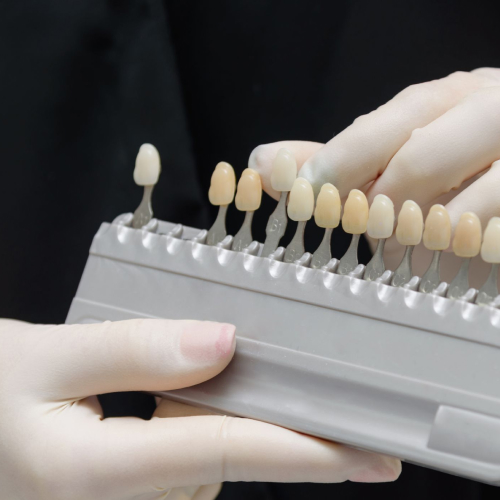
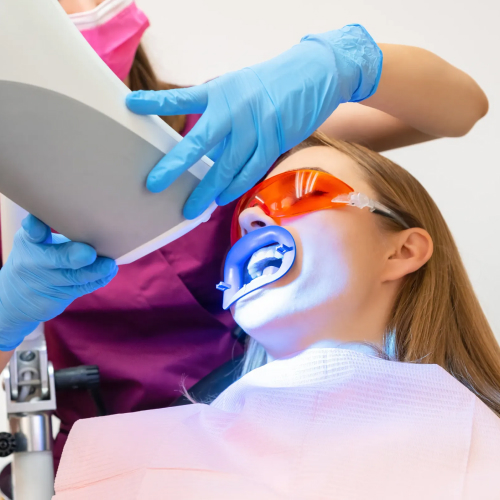
Many patients also often experience mild tooth sensitivity after filling a cavity or whitening your teeth. With dental fillings and crowns, the remaining dentin may be irritated or inflamed after removing the damaged tissues. During teeth whitening, peroxide gel is absorbed by the enamel to lift stains, but this can often reach the dentin too. With both procedures, your sensitivity will go away on its own in a few days once the dentin heals and recovers.
What Can Be Done
You may only need a simple home remedy like special toothpastes to soothe your tooth in minor cases. However, if your sensitivity is a symptom of a dental emergency, like gum disease, cavities, and severe tooth damage, you’ll need professional treatment.
Desensitizing Toothpaste
Desensitizing toothpastes are great for patients with non-urgent sensitivity. They’re designed to temporarily numb the tooth’s nerves to prevent them from sending signals to your brain that something is wrong. After a few uses, you should already start noticing that your sensitivity decreases. There may still be some slight, lingering twinges in your tooth since you’re only masking the problem, not directly addressing the root source.
Fluoride
Fluoride is a natural mineral that is popular for strengthening and hardening dental enamel. On its own, shoring up your tooth’s defenses can help soothe some sensitivity. However, it can also reverse early tooth decay if it isn’t far enough to form a cavity. At this stage, the tooth’s surface has only lost minerals, like calcium, keeping it healthy and protected. By remineralizing the tooth, you can restore it to its old self, effectively stopping cavities and sensitivity in their tracks.
Most people get fluoride in their daily lives just by staying hydrated. Here in Bellflower, our community water has fluoride added to it for the express purpose of helping our teeth stay healthy and cavity-free. You can also use fluoride toothpastes and mouthwashes as part of your twice-daily dental hygiene routine. For a more potent dose that can help your smile for months, you can also ask our dentists to apply a fluoride varnish or gel to your teeth. These treatments can be done during your regular dental cleaning appointment, making it effortless to get them twice a year as recommended.
Gum Graft
If periodontal disease has caused significant gum recession, you may need gum graft surgery to replace the missing tissues. Gum grafts transplant new material where it’s insufficient to restore your gum line, usually taking soft tissues from the roof of the mouth. How long does it take for a gum graft to heal? Gum grafts have a relatively quick recovery time compared to other grafting procedures. In most cases, your gums can completely heal in one to two weeks.
Dental Fillings and Crowns
Dental trauma and decay that doesn’t go further than the enamel is only cosmetic and can wait. However, deeper damage will likely need a filling or crown to repair the tooth. Which one you need depends on the damage’s extent. Composite fillings are used when the damage only covers a limited area of the tooth’s surface. If a significant part of the tooth has been injured, then a crown is needed to restore the tooth’s entire surface.
Do all cavities need to be filled?
Yes. If left to its own devices, dental decay will continue spreading throughout the tooth and attacking as much of the soft tissues as it can. It won’t stop at just the tooth either, instead spreading into the surrounding gum tissues, teeth, and bone.
Root Canal
If a fracture, chip, or dental cavity reaches the pulp at the tooth’s center, you will need a root canal. The pulp is the most sensitive and vulnerable part of the tooth since it contains the nerves and blood vessels keeping the tooth alive. Deep damage can also cause a toothache on top of your existing teeth sensitivity. Root canals precisely remove the decayed and injured pulp, which may involve clearing an entire tooth canal or root down to the tip. This also gives us access to drain any abscesses that may have formed from severe tooth decay.
Once the tooth’s root is healthy again, it is filled with gutta-percha before being sealed with a dental crown. Do I need a crown after a root canal? If the damage to your teeth is deep but not wide, your dentist may forego the crown for a dental filling. However, all root canals require restorative dental work. Your hollowed tooth is brittle without pulp and will be vulnerable to further infection and damage. Fillings and crowns give it the reinforcement it needs to stay strong and healthy for the future.
Preventing Teeth Sensitivity
The best way to save your smile from painful teeth sensitivity is to prevent it from developing in the first place. Here are just a few quick and simple ways you can protect your teeth and gums:
Limit the acidic foods and beverages you have.
If you do eat or drink something acidic, don’t immediately brush your teeth after. This will only make the problem worse as your toothbrush’s bristles can further wear down your weakened enamel. Instead, drink water to wash away as much residue as you can off your teeth. You’ll be fine to brush your teeth after 30 minutes, but be sure to be gentle on your teeth.
Switch to a soft-bristle toothbrush.
This helps prevent wearing down your teeth quickly while being gentler on your soft gum tissues. We also recommend using circular brushing motions. This allows the brush’s bristles to slip under the gums rather than roughly rubbing against the gum line.
Wear a mouth guard at night.
Bruxism tends to strike while patients are asleep and can’t control their unconscious habits, such as their teeth grinding and jaw clenching. Mouth guards put distance between your teeth to prevent them from touching, easing up some of the tension and pressure put on them. It may take some getting used to wearing them, but they can be quite comfortable once they become part of your nightly routine.
Visit your dentist regularly for checkups.
How often should you get a dental exam? Most patients should see their dentist and hygienist twice a year. Six-month visits can prevent dental troubles or catch them early enough to fix them quickly. However, if you have a checkered dental history, your dentist may ask you to visit once every three or four months.