Antibiotics for Gum Disease: What Amoxicillin Can and Can't Do
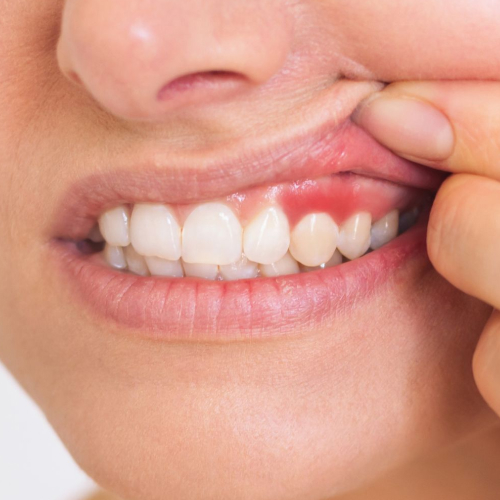
Can amoxicillin cure gum disease? Learn how antibiotics treat gum infections and what they can't fix. Schedule an exam with Bellflower Dental Group today!
Read More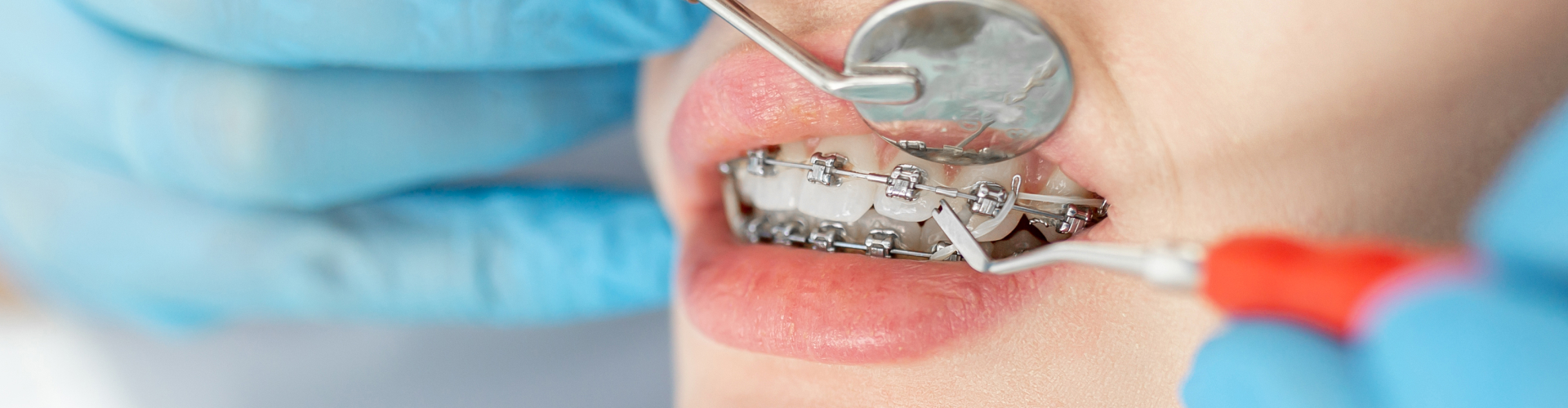
Braces cause discomfort, but the location and intensity vary significantly depending on which type you choose. Understanding what triggers pain at each stage — and which appliance is hardest on soft tissue — helps you prepare realistically for treatment.
Most people assume orthodontic pain is just pressure on teeth. For Bellflower-area patients, that's only part of the picture. Where hardware sits in your mouth determines which soft tissues bear the burden — and that difference matters.
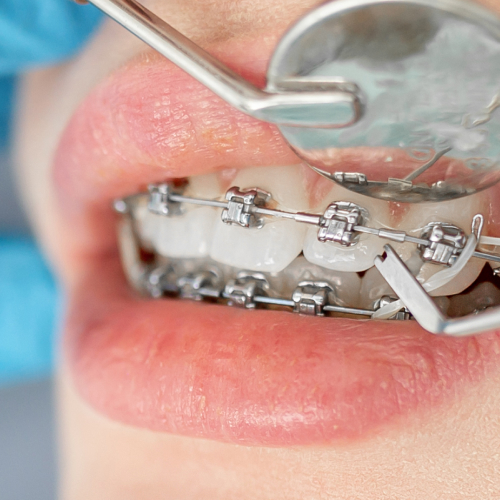
Traditional labial braces (brackets on the front of teeth) press metal against the inner cheeks and lips. The friction creates abrasion sores during the first few weeks as tissue toughens. According to Healthline, the first week is typically the most intense, with pressure, soreness, and potential sores on the inside of the cheeks.
Lingual braces mount entirely behind the teeth, against the tongue side. Invisibility is their appeal — but the tradeoff is real. The tongue is one of the most sensitive and active structures in the mouth. It contacts the hardware constantly during speech, swallowing, and eating. WebMD notes that one study of 68 adults found lingual brace wearers reported more severe pain and the longest recovery time compared to labial braces and clear aligners, with eating difficulties persisting beyond two weeks. Tongue ulcerations — not cheek sores — become the defining complaint.
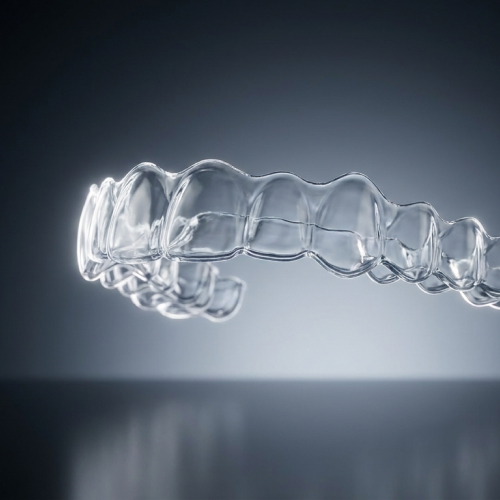
Clear aligners like Invisalign sit over all tooth surfaces with smooth plastic, avoiding most soft-tissue trauma entirely. Healthline's overview of Invisalign reports that 35 percent of users experience no pain at all, and 54 percent describe only mild discomfort.
Soft-tissue pain ranking, most to least intense:
Patients often panic when a single tooth aches while the rest feel fine. This is actually a predictable biological event, not a warning sign.
When a rotated or misaligned tooth begins moving, the periodontal ligament (PDL) — the fibrous membrane connecting each tooth root to the jawbone — experiences localized compression. Blood flow to that specific section of the ligament becomes temporarily restricted, a process called PDL ischemia. The tissue responds with sterile inflammation: swelling, fluid pressure, and acute sensitivity concentrated in that one tooth.
Simultaneously, as that tooth shifts, it may begin contacting the opposing arch before neighboring teeth do. This "premature occlusal contact" means the tooth takes the full bite force with every chew, amplifying soreness dramatically. Healthline explains that single-tooth pain typically resolves within a few days and simply signals that the appliance is working correctly.
The same mechanism applies with every tray change or wire adjustment — a different tooth may become the focal point each cycle.
Bracket placement day tends to feel manageable. The real surprises come later.
Week one: Healthline's braces overview describes pressure and soreness building within hours of placement, peaking around days two through four. Soft foods — yogurt, soup, mashed potatoes, smoothies — reduce chewing load significantly during this window.
Elastomeric spacers: Placed between molars days before banding, these tiny rubber separators create some of the sharpest acute pain in the entire treatment timeline. They force teeth apart in a confined space, generating intense PDL compression in a localized area. Many patients report this phase more painful than the initial bracket placement.
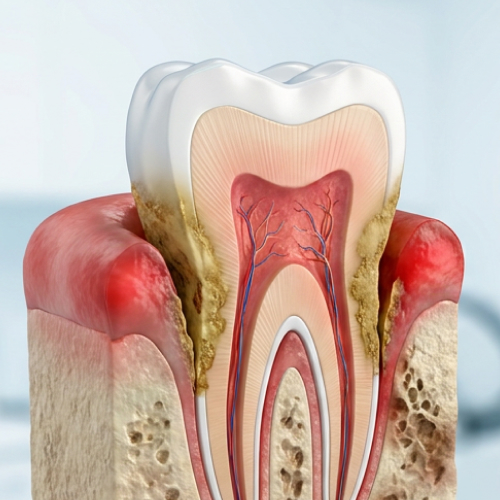
Power chains: These continuous elastic loops link brackets across multiple teeth to close gaps or rotate teeth in bulk. Unlike a standard wire adjustment affecting the arch gradually, a power chain applies simultaneous force across several PDL sites at once — producing a broader, more sustained soreness spike that can last several days. Swollen or tender gums during this phase can sometimes indicate the early stages of gum disease gingivitis, especially if plaque is accumulating around brackets.
Routine adjustments: Wire tightening causes recurrent soreness, though WebMD notes that teeth continue responding to pressure at any age — adults may find adjustment soreness lasts slightly longer than it does for adolescents, simply because bone density is higher.
Over-the-counter pain relievers and cold rinses manage most of this discomfort effectively. Swollen gums between adjustments can also signal plaque buildup rather than movement pain — consistent brushing and flossing around brackets reduces that variable considerably.
Discomfort is temporary; the pattern is predictable. The first week of any new appliance or adjustment is the peak. Most patients adapt within a month, and many stop noticing their hardware altogether by the six-month mark.
Orthodontic wax applied to sharp bracket edges, warm salt water rinses, and sticking to soft foods during high-soreness days covers the majority of day-to-day management. If pain persists beyond a week after a new aligner tray or wire adjustment without improvement, that warrants a conversation with your provider — prolonged or worsening pain can occasionally indicate a premature contact that needs correction. In some cases, persistent pain may point to a deeper issue requiring an endodontic root canal evaluation.
The right appliance choice also shapes your entire pain experience. Patients with low soft-tissue sensitivity may tolerate lingual braces well despite the tongue-contact tradeoff. Those who prioritize minimal discomfort overall tend to find clear aligners the most comfortable path — though they require discipline to wear the recommended hours daily. For patients exploring all their options, teeth straightening braces remain a reliable and well-understood treatment with a predictable discomfort timeline.
If you're weighing your options and want honest guidance on which appliance fits your lifestyle and pain tolerance, Bellflower Dental Group is here to help. Our team serves patients throughout Bellflower and the greater Southeast Los Angeles area. Before starting orthodontic treatment, we recommend a thorough cleaning and exam to ensure your teeth and gums are in the best possible condition. Schedule a consultation and get a clear picture of what your treatment journey will actually look like.
Medical disclaimer: This article is intended for informational purposes only and does not constitute professional dental or medical advice. Always consult a licensed dental provider for diagnosis and personalized treatment recommendations.
Fresh news from the dental world...


Mon - Fri 9AM - 6PM
Saturday 9AM - 3PM
Sunday Closed
Check out what our patients are saying in Bellflower, CA...


“Great customer service!”
Great customer service and attentive staff! My 3 year old enjoyed his visit! Yes, I said he enjoyed it! He had to have X-rays done, and I was so worried that he wasn't gonna be a happy camper but the X-ray tech, Dominique, is so good with kids! The X-rays were fast and painless! Overall a great experience!
“Surpasses my expectations!”
Amazing staff! My experience at Bellflower Dental Group was outstanding. I highly recommend this dental group. I come to them for my braces, their ortho is incredible, the highlight of this dental group. The staff is amazing, their employees are so kind and take the time to perfect your braces.
“I love this dental office!”
I have been coming here for years. It is a one-stop-shop! You can get your x-rays, cleaning, braces, labs, dentures, toothbrushes, and more all right here. The staff is great, and they try to work with you if you need a payment plan. Never had any issues with any of the work done here!
“Great customer service!”
Great customer service and attentive staff! My 3 year old enjoyed his visit! Yes, I said he enjoyed it! He had to have X-rays done, and I was so worried that he wasn't gonna be a happy camper but the X-ray tech, Dominique, is so good with kids! The X-rays were fast and painless! Overall a great experience!
“Surpasses my expectations!”
Amazing staff! My experience at Bellflower Dental Group was outstanding. I highly recommend this dental group. I come to them for my braces, their ortho is incredible, the highlight of this dental group. The staff is amazing, their employees are so kind and take the time to perfect your braces.
Check out our accreditations, sources, and relationships in the wide world of dentistry...










Check us out and follow our Bellflower, CA practice on social media...